Camping in Bear Country; Your ultimate planning guide
June 1, 2021
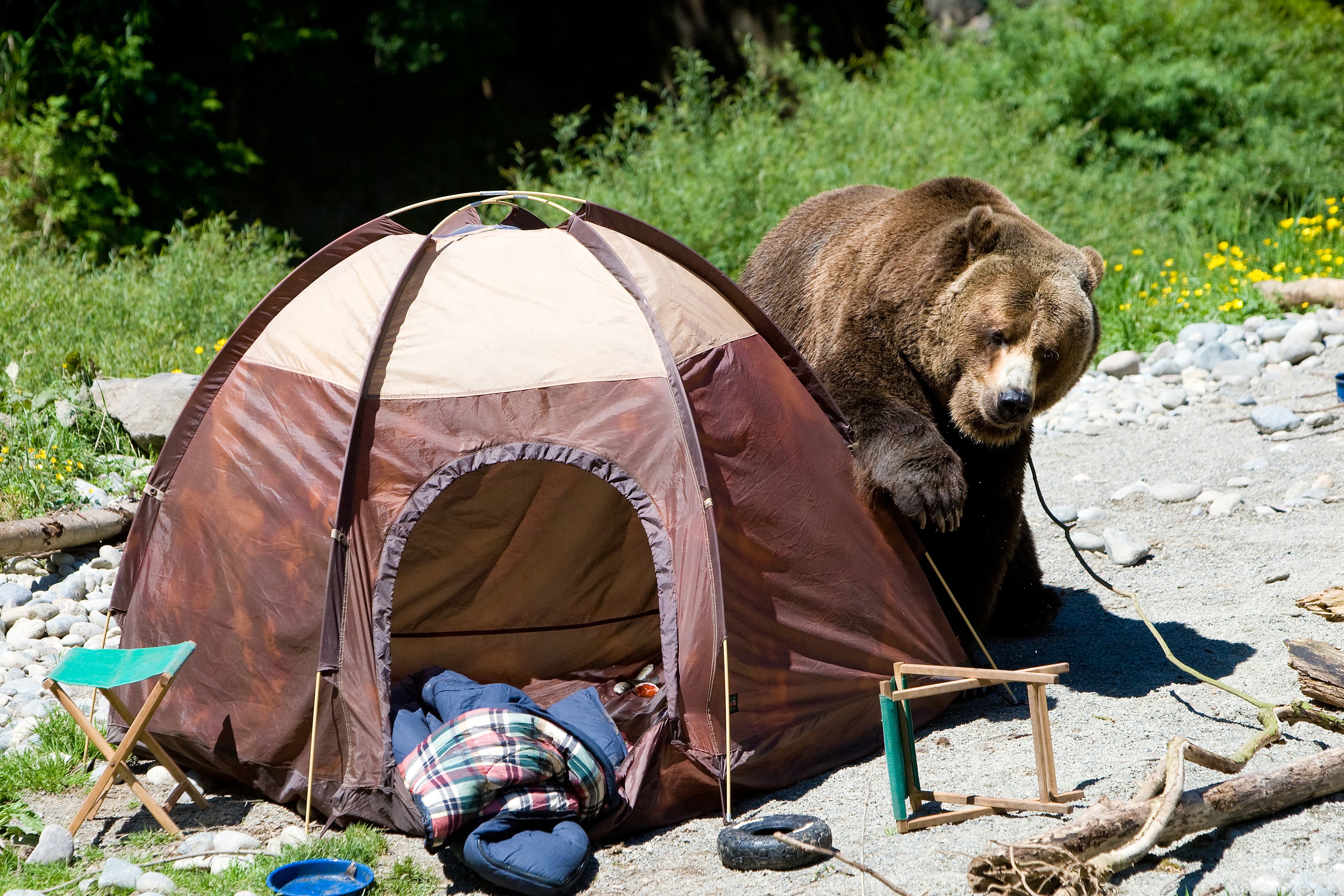
Welcome to your ultimate guide to feel reassured and safe in bear country, whether it’s camping or even backpacking these are all useful tips and tricks to know before spending a night in bear country.
Know what bear country you’re going into
Planning a trip to bear country requires you to first ask yourself, “what type of bear country am I going into?” Not all bear countries are the same everywhere you go, as there are different types of bears that inhabit these places and thus important to know in order to be prepared for a rare, but potential bear encounter. Around the world there are multiple types of bears, but for North America you will either be in brown (grizzly) or black bear country.
Brown bear country in this day and age consists of Canada, Alaska, Wyoming, Montana, and northern parts of Washington. These brown bears are most commonly known in North America as grizzly bears and are larger in size than black bears, weighing up to 1500 pounds depending on food availability.
Black bear country today is from northern Florida going up to Canada and is the official bear found throughout the United States most commonly. Black bears can be found throughout most mountain ranges in the United States and can weigh up to 600 pounds.
Know proper plan of action in case of bear encounter
Encountering a bear in the wild can be one of the most beautiful sites to take in and experience but at the same time should consist of proper action for the safety of everyone. Remember that bears do not want to encounter humans either and would like to also go on about their day without trouble. In the rare event of a bear encounter there are specific plans of actions that are recommended and have been proven best to ensure the safety of everyone.
- Stand your ground, identify yourself calmly, and wave your hands slowly to let the bear understand you are a human and not a prey.
- Do not scream or make any high pitched sounds because a bear could interpret this as a threat or feel forced to attack.
- Do not do any rushed actions or try to run away quickly, because just as dogs like to chase people running away - so does a bear.
- If the bear is standing still make sure to move back slowly away to further distance yourself from the bear, do not turn your back to the bear, but instead walk back slowly facing it sideways, as this will give you a vantage point of the bear.
- Make sure to be extra careful if the encounter happens to be a bear with cubs as the aggression by a bear could be higher and might act defensively in protecting its cubs. Once again proceed with precaution as mentioned above, and although this should not have to be mentioned, do not attempt to lure or touch any cubs although they might be interested in you, the mother bear is likely to be aggressive towards you for this.
Know proper plan of action in case of a bear attack
Bear spray is something you never wish you will use but can feel reassured you have! In the unlikely event of a bear encounter and seeing that the proper plan of action against a bear is not working, it might ultimately be the best solution to avoid a bear getting any closer. This takes extreme caution and will want to make sure that no one else is in the pathway of spraying and releasing the valve for bear spray.
Know your food storage plan
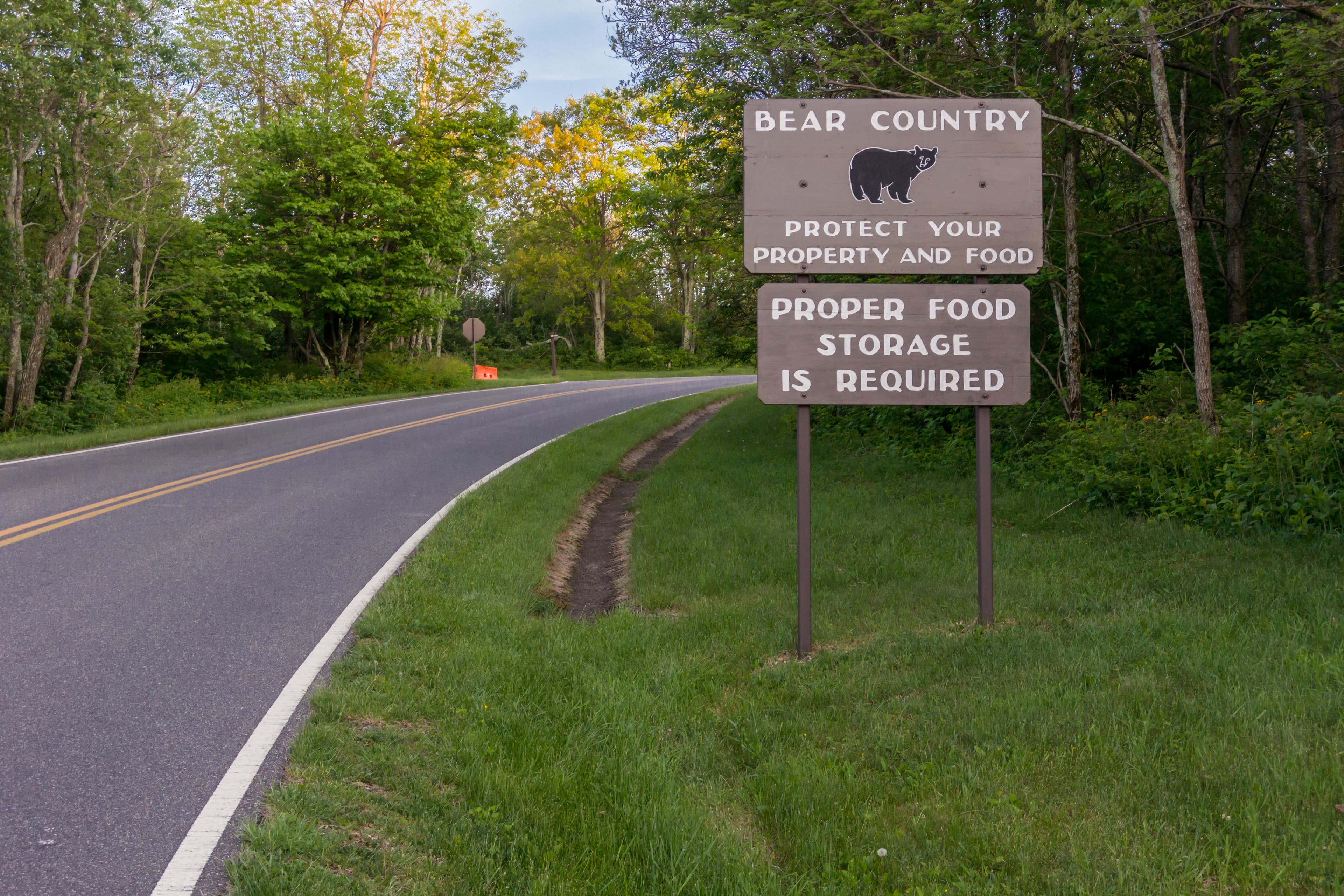
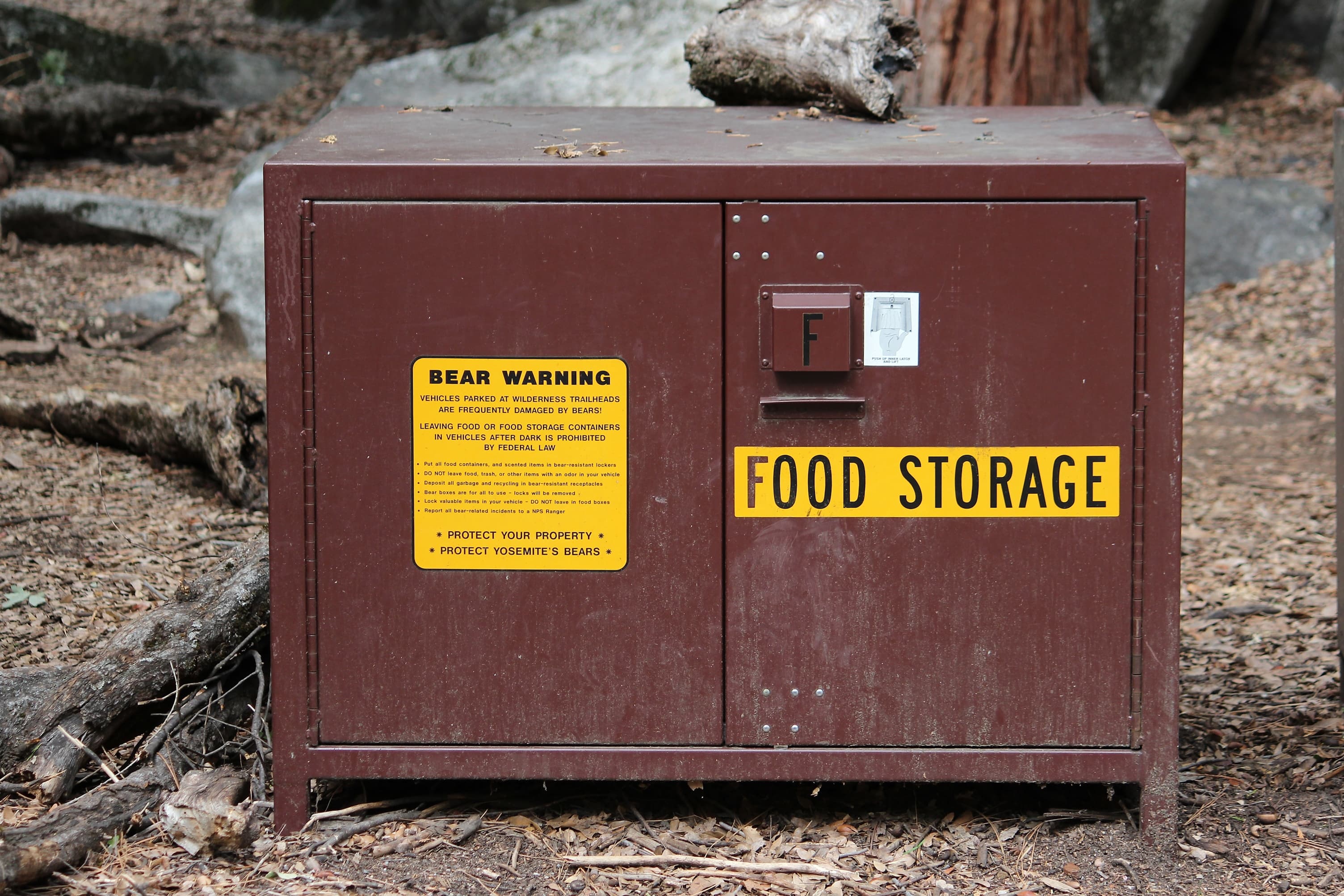
The first thing to find out when planning to go camping is whether the campground offers food lockers or not. Usually most campgrounds in bear country will have food lockers but there are many others we have stayed at without food lockers.
Food lockers are large, metal storage bins with a locking latch nearly impossible for a bear to open if they try. If you are in a campground with a food locker you can feel reassured you have a secure place to lock your food if a bear is drawn to your site.
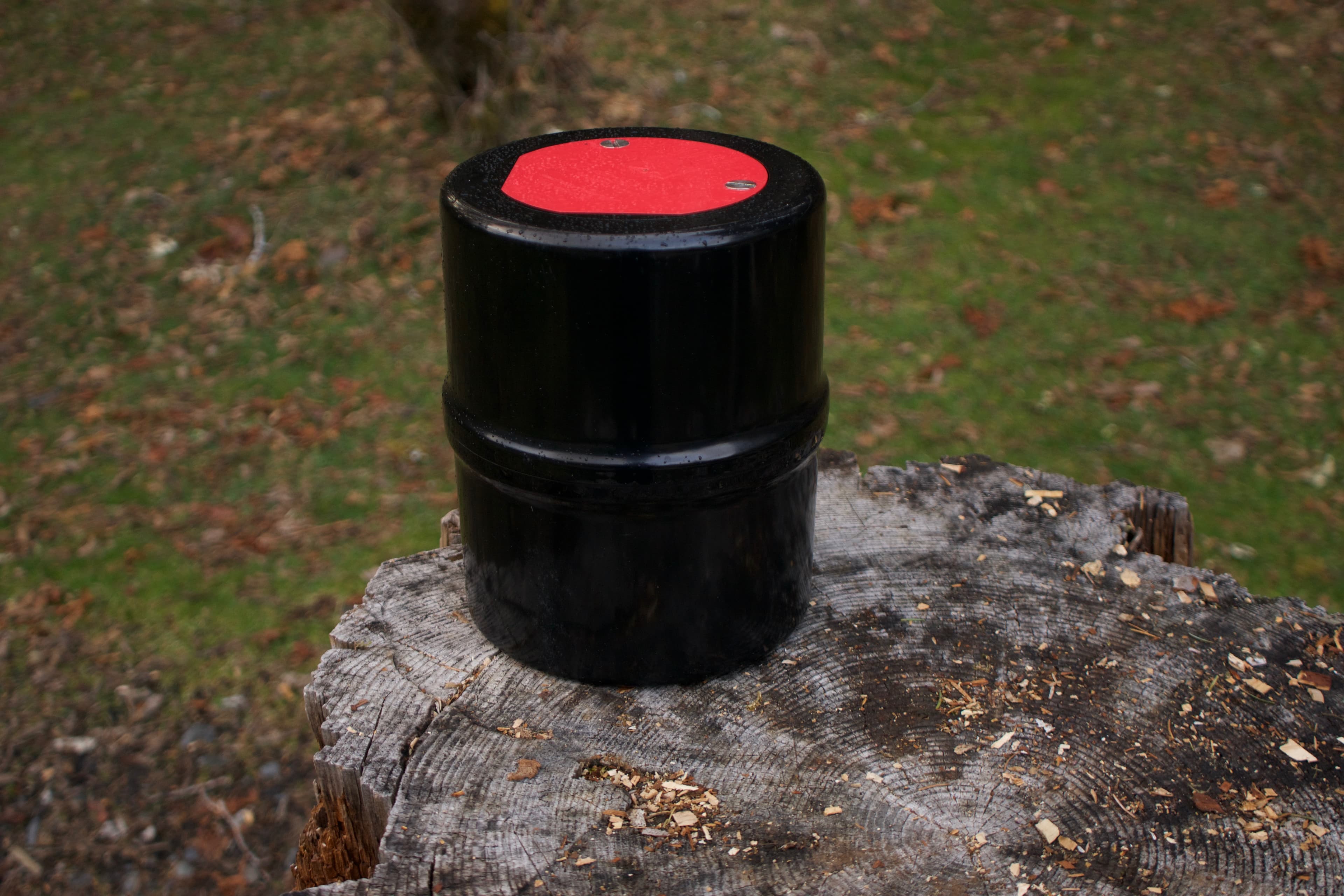
If there are no food lockers you will want to bring either a bear proof cooler or a bear canister, both designed to make it impossible for a bear to open as much as they try. The bear canister is a much more affordable route and a must for backpacking lightly and safely, but are usually a bit smaller than bear proof coolers. Bear proof coolers are more costly and heavier but allow for much more food storage space.
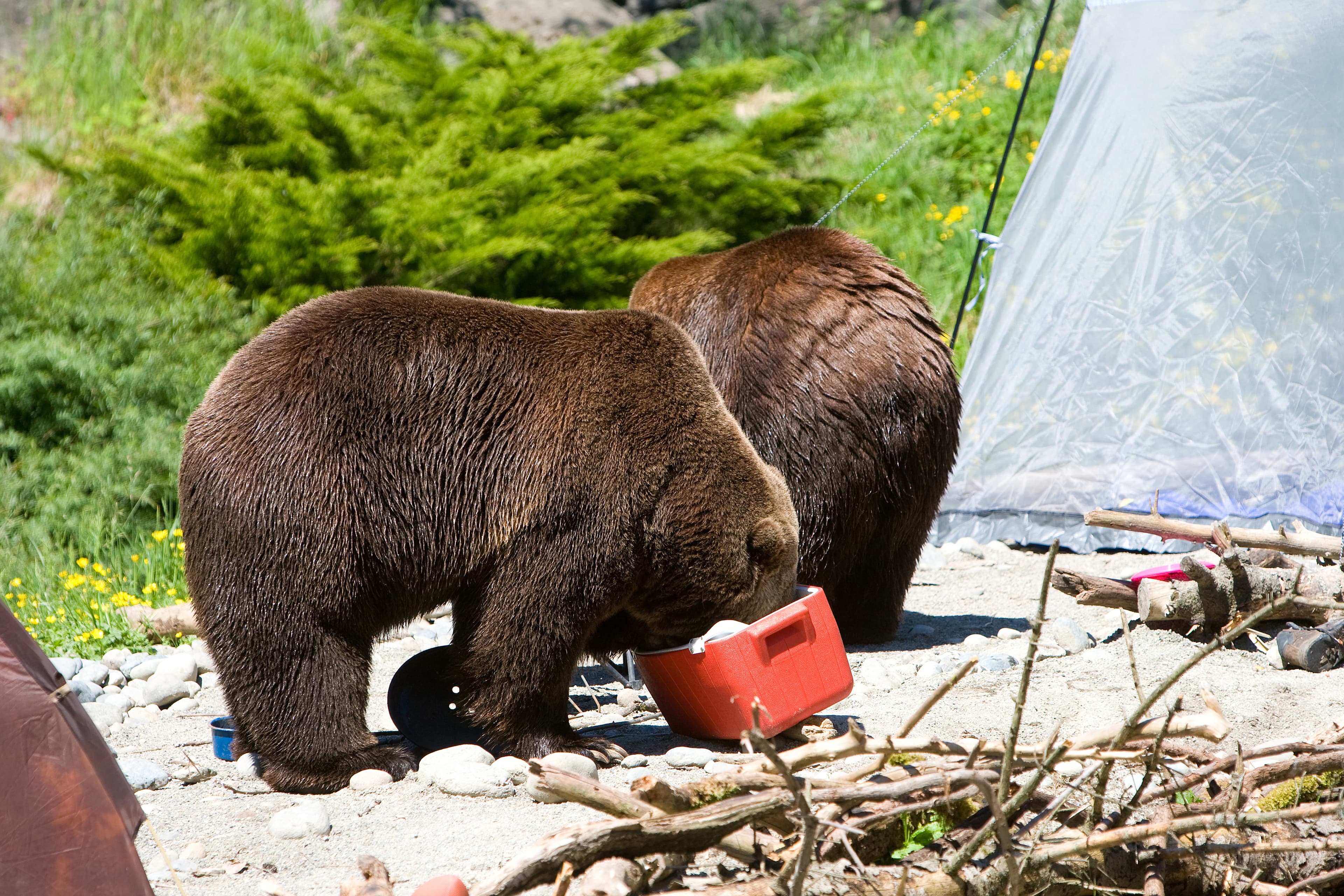
Bears have become so accustomed to humans being around their homes that they have no problem opening car doors and getting into any food items you think you have “hidden” in there. Vehicles, in comparison to food lockers or bear canisters, are almost too easy for bears to get into. Vehicles are not scent proof and even though us humans can't smell something outside of a vehicle, a bear has a nose 100x more sensitive than humans and will clearly spot the vehicle with food supplies. All this leads to dangerous situations for both humans and for bears ultimately rather than taking proper precautions.
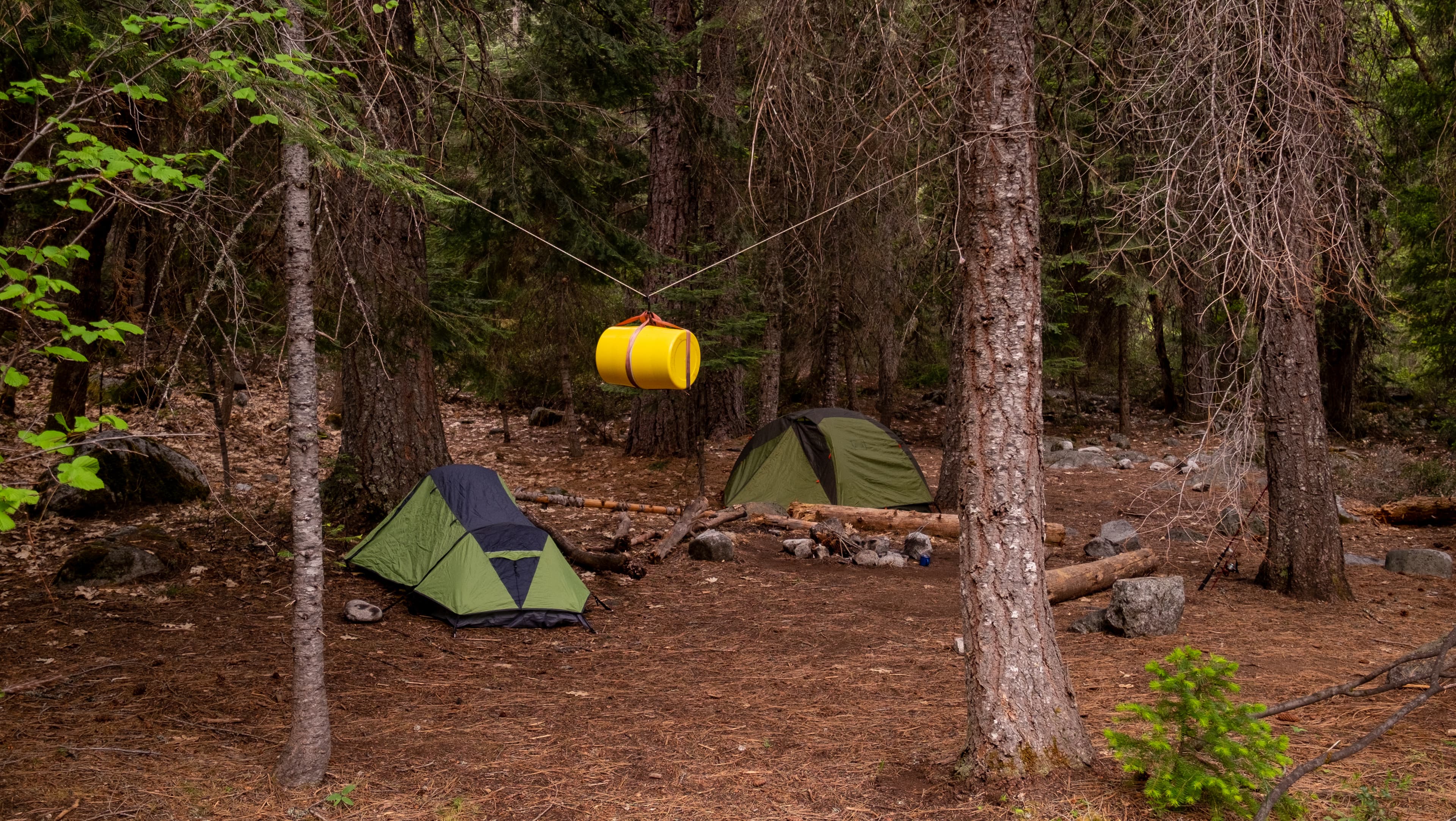
In the case of a bear canister being used while backpacking or if no food lockers are available, the safest solution is securing a bear canister with rope at least 10 feet above ground level and tied to 2 trees. This elevation is recommended for proper clearance that a bear even on its hind legs will not be able to reach the food and will likely go on its way to find food elsewhere.
Know your full list of items to bring and NOT bring
You will want to double check your backpack before leaving home with some of these items as well as understanding what can deter a bear away.
Attractions
Mint scented items, food, or oils
Bears love mint scented foods, items, and oils. Usually the most common mint scented item most people bring to campgrounds or out in the wilderness is toothpaste, it is recommended to safely store your toothpaste and toothbrushes in your food locker, bear locker, or bear canister. Remember to not bring your toothpaste into your tent as this scent might attract a bear over (better to have a bear come to your food locker rather than your tent). Avoid bringing mint scented oils or perfumes as well because this could give you a scent tracker to a bear.
Lavender
Although lavender is a lovely scent and a great insect repellent, bears love this scent as well and will be attracted to follow it or arrive at your campsite. It is recommended to avoid lavender scented perfumes, body sprays, oils, or hygiene products such as deodorant. Lavender scented beauty products should not stay in your tent and should be stored in a food locker or bear canister away from your tent.
Sweet, sugary scents and foods
Just like us humans love to munch down on sweet and yummy foods to satisfy our sweet tooths, guess what, bears love it just as much! Beware of sweets such as donuts, jam with toast, honey, and nutella - oh yeah the jokes about bears loving nutella are very true! It’s recommended to avoid leaving any scent trackers of these foods because bears will definitely be interested, if you must consume the entirety of your sweets while in camp or as your snack, but do not leave any extra remaining bits and pieces on the ground, because first, “leave no trace” should be the motto for everyone out and about in wilderness or campgrounds - but also because those bits and pieces could attract a bear to your campground (not to mention ants and rodents). Avoid ever bringing any sweet food, snacks, or drinks into your tent. It is recommended sweet foods be sealed (vacuum sealed if possible) properly and left in a food locker, bear canister, or placed safely away from your campsite overnight.
Fresh meats or seafood
As expected meats and seafood are going to bring a hefty smell to your site. It is recommended if possible to consume fresh meats and/or seafood on the first night and then you are left without worries. Although if you are planning to bring a hefty amount of meat to barbecue in a campground there are a few highly recommended ways to pack and store these items.
Citrus scents or foods
Bears love the smells of oranges, mandarines, nectarines - all the citrus and sweet flavors and smells they bring along! It is recommended to avoid wearing perfumes, body sprays, or citrus essential oils that could attract a bear’s curiosity to these scents. Avoid using citrus sprays, cleaners, or essential oils in a campsite or in wilderness because these are very attractive smells that will call a bear over involuntarily. Avoid having any citrus drinks or beauty products especially in your tent, make sure to store any citrus scented items in a food locker, bear canister, or place safely at least 20 feet away from your campsite if no other options are available.
Deterrents
Pine scented cleaners and essential oils
One of the most effective and safest deterrents you can bet on is using pine scented cleaners or essential oils to make a bear want to stay away. People who live in bear country and need to evade bears from getting into their trash cans will soak a rag or towel in pine scented cleaners or essential oils and it is a safe bet bears will move on their way and not mess with your house. It is recommended to gently spray some pine scented oils or cleaner spray over your food locker or bear canister especially if there is an abundance of smelly or fresh food.
Bleach or ammonia scented cleaners
The scent of bleach or ammonia can really deter a bear away from a property and is often used for homeowners in bear country trying to get bears away from their trash cans or yard area. A closed lid bucket can be filled with bleach or ammonia scented cleaner and left outside for any wandering bears to move on their way. One thing everyone should note about bleach and ammonia is to NEVER mix these two into one solution as these fumes could be lethal. Please be aware for the safety of everyone including wildlife that these cleaners should never be sprayed on anyone or any wildlife, it is simply meant as a scent deterrent for bears attracted to garbage cans or other food sources posted outside.
Talk show radio stations
In comparison to music, the sound of people talking on a radio show has been tested to scare away a bear from a campsite or empty home, whereas just music playing in the background does nothing. People living in bear country have seen this phenomenon when they are out of town and leave a radio talk show playing in the background and once a bear comes around the premises they are more likely to scare away than if they hear music playing in the background. The radio talk shows scare bears away because they perceive it as activity inside the home, or in the area, rather than music seeming to not relate to human activity. This is a good idea for those camping out in the wilderness or at a campsite as well and want to leave some background noise on during the night or during a daytime exploration where you leave your site unattended.
Loud noises such as pots & pans & yelling
Loud noises do scare bears away such as hitting pots and pans together, and yelling when applicable if an encounter does happen to occur. People who live in bear country will do this if a bear is showing interest to search through the property. In any case, this is a useful tip to know whether you are staying in a cabin, at a campsite, or spot a bear from a distance - it will probably stray away from your loud noises.
Cider vinegar
The strong, odorous scent of cider vinegar can make anyone including myself strike an abhorred look sideways in dismay! This is true for bears as well and can be used as a natural deterrent from a campsite, food locker, or garbage bins. Generally cider vinegar is used as another deterrent similar to the ammonia or bleach scented cleaners but this is a much safer deterrent for everyone - without the risk of dangerous skin contact and no potentially lethal fumes to be inhaled in comparison to the ammonia or bleach scented cleaners. Cider vinegar can be gently sprayed on food lockers, bear canisters, or on barbecue grills after use. This is often used by homeowners in bear country with recently used barbecue grills or garbage cans full of food.
Large groups and music
Bears try to avoid human interaction as much as possible and a way to help this is by playing music and not hesitating to be loud while out on the trail. Large groups are always recommended because this helps bears identify humans approaching and will move themselves out of human sight. If a large group is not possible then playing music can be effective in alerting a bear you are crossing through their area. Being quiet on the trail can surprise a bear and could cause defensive reactions. A good solution for this is having a bear bell attached to your backpack, the bell will resonate throughout the area and can safely alert a bear.